
Anti Aging Cream vs Serum: Which Comes First?
Your moisturizer suddenly does not feel like enough, but the serum aisle feels like a pop quiz you did not study for. If you are weighing anti aging cream vs serum, the answer is not that one is better across the board. They do different jobs, and many women with changing skin feel their best using both in a simple, comfortable order.
The goal is not to build a long routine or chase every new ingredient. It is to give your skin the hydration, support, and consistency it needs right now.
Anti Aging Cream vs Serum: The Simple Difference
A serum is usually a lightweight treatment made to deliver concentrated ingredients to the skin. Depending on the formula, it may focus on hydration, the look of fine lines, uneven tone, firmness, or dullness. Because serums tend to be thinner, they are designed to go on after cleansing and before moisturizer.
An anti-aging cream is typically richer and more moisturizing. Its main role is to soften, cushion, and help hold moisture in the skin. Many creams also include ingredients that support the appearance of smoother, more radiant skin, but their texture is especially helpful when skin feels dry, tight, or less comfortable than it used to.
Think of it this way: a serum is your targeted step, while a cream is your comfort-and-moisture step. One does not replace the other for everyone. If dryness is one of your biggest concerns, a serum alone can leave your skin wanting more. If you only use cream, you may still be missing the targeted benefits you hoped to get from a serum.
When a Serum May Be the Better First Choice
A serum can be a lovely addition when your skin has a specific concern you would like to address. Perhaps fine lines are more noticeable around your eyes or mouth. Maybe your complexion looks tired even after a full night of sleep, or your skin is thirsty but you dislike the feeling of a heavy product during the day.
Hydrating serums are often a gentle starting point for skin that looks less plump or feels dehydrated. A well-chosen serum can make skin feel smoother and help makeup sit more comfortably. The key word is well-chosen. A powerful formula is not automatically a better formula if it causes stinging, flaking, or irritation.
If you are new to treatment products, introduce one serum at a time. Use it consistently for a few weeks before deciding whether it is helping. Skin care works best when you can notice what your skin is telling you, rather than changing five things at once.
Serums are not always enough for dry skin
This is where confusion often starts. A woman may use a hydrating serum and assume it should handle every bit of dryness. But serums usually add water-loving ingredients or targeted care. They do not always provide the richer oils and moisture-sealing ingredients that dry, mature skin may need.
If your face feels tight an hour after applying serum, or if it looks dry by midday, follow with a cream. That second step is not excessive. It may be exactly what helps your skin feel balanced.
When an Anti-Aging Cream May Matter Most
If your skin feels dry, rough, tight, or easily irritated, a nourishing cream may be the most valuable place to start. As skin changes with age, it can produce less oil and have a harder time holding onto moisture. Indoor heat, air conditioning, weather changes, menopause, and certain cleansers can make that feeling even more noticeable.
A good cream creates a soft, protective layer over the skin. It can reduce that uncomfortable tight feeling and give fine lines a temporarily smoother appearance because well-moisturized skin reflects light differently. It will not erase every line, and no cream needs to promise that. Feeling comfortable in your skin and seeing it look healthier are meaningful wins.
At night, many women prefer a slightly richer cream because there is no need to worry about makeup or shine. In the morning, a lighter cream may feel better, especially under foundation. Your preferences matter here. The best product is one you will use often enough to enjoy its benefits.
How to Layer Cream and Serum
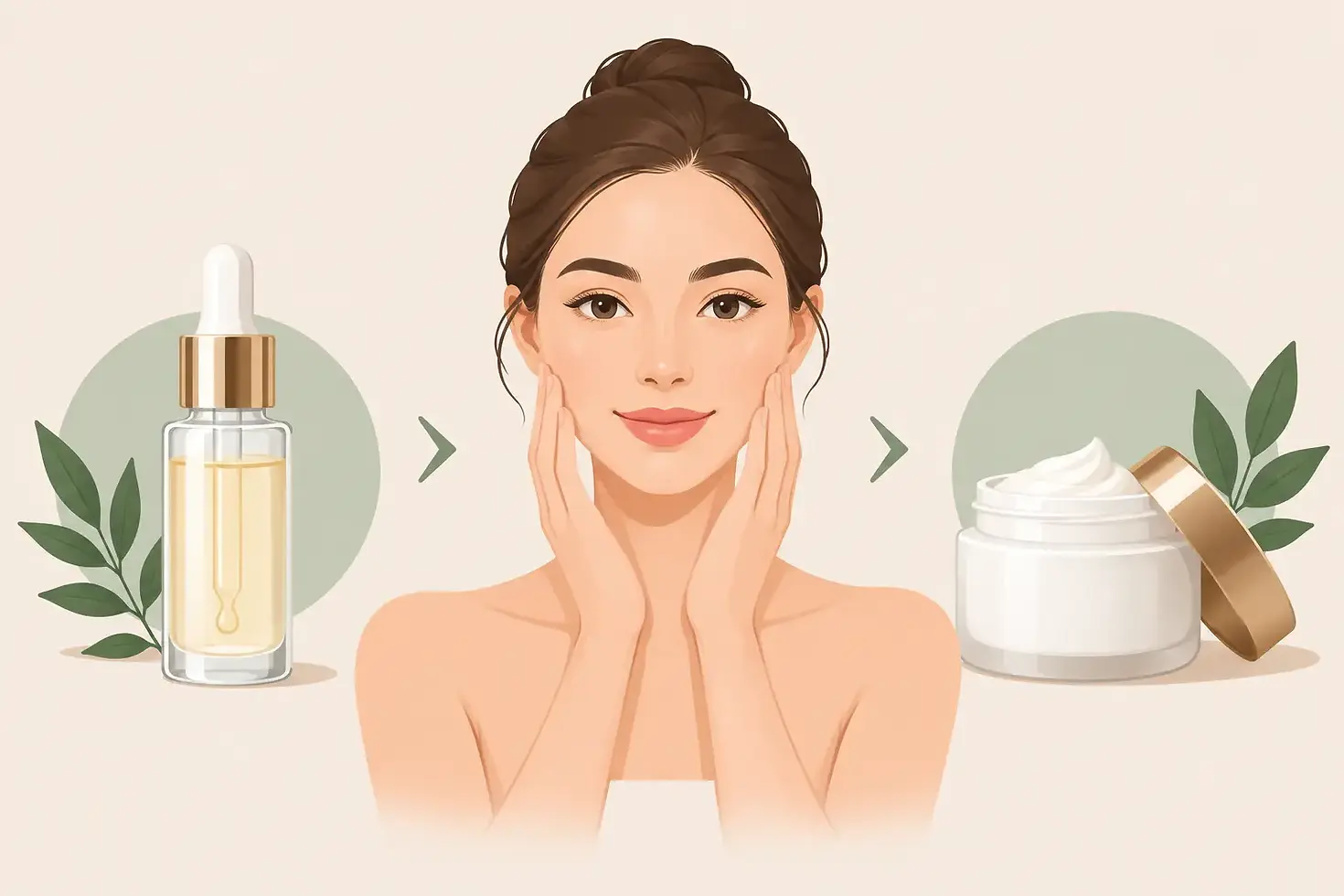
The order is easy: cleanse, serum, cream, then sunscreen in the morning.
Start with clean skin, then apply a small amount of serum while your face is dry or just barely damp, depending on the directions for that formula. Give it a moment to settle. Follow with your cream to moisturize and help seal in that hydration. During the day, finish with broad-spectrum sunscreen. Sun protection is one of the kindest long-term habits you can give skin that is concerned about visible aging.
You do not need large amounts. A thin layer of serum and a comfortable layer of cream are usually plenty. Using more product than your skin can absorb can leave it sticky, cause pilling under makeup, or simply use up your products faster.
Keep your routine calm when skin is sensitive
When skin is dry or reactive, resist the urge to pile on multiple exfoliants, retinol products, acids, and strong treatments all at once. Those products can be useful for some people, but timing and tolerance matter. Start slowly, and make moisturizer the steady part of your routine.
If you experience persistent burning, rash-like irritation, swelling, or peeling, stop using the new product and consider checking in with a dermatologist. Sensitive skin deserves patience, not pressure.
Choosing What Your Skin Needs Right Now
The right choice depends less on your age and more on how your skin behaves. If your biggest concern is dryness, begin with a cream you enjoy using morning and night. If your skin is comfortable but you want more focused care for dullness or the look of fine lines, add a serum before your cream.
If you want both hydration and a softer-looking complexion, use both. There is no prize for having the shortest routine, and there is no need for a crowded bathroom counter either. A cleanser, a targeted serum, a moisturizer, and daytime sunscreen can be a wonderfully complete routine for many women.
Pay attention to texture, too. Very dry skin often appreciates a creamier formula, while combination skin may prefer a gel-cream or lighter lotion during the day. In colder months, you might need more moisture than you do in summer. That is not your skin failing. It is simply your skin responding to its environment.
Give Products Time, Then Adjust Gently
Most skin care products need regular use before you can fairly judge them. Hydration may feel better quickly, but visible changes in texture and the look of fine lines are more gradual. Take a simple photo in the same lighting every few weeks if you tend to forget what your skin looked like before. It can be more helpful than examining your face closely every morning.
Try to change only one thing at a time. When a new serum or cream works well, you will know what deserves the credit. When something does not agree with your skin, it will be easier to identify and remove.
You do not have to figure it all out from a crowded shelf or a complicated ingredient list. At Chat with Babs, the conversation can start with how your skin feels, what is bothering you, and what kind of routine you can realistically keep. Your skin is allowed to change, and your routine can change with it - gently, simply, and without guesswork.


Comments